Four proprietary systems, purpose-built for one job: capturing the revenue your hotel is leaving on the table. Not assembled from off-the-shelf APIs. Every layer built in-house.
Our AI agent gets sharper the longer the calls go, not the other way around.
Most voice agents start strong and fall apart after five or ten
minutes. The reason is simple: one agent is trying to do
everything at once, hold the conversation, remember the details,
follow the rules, look up the room, take the payment. By minute
eight, something gives.
A real close takes a small village. So FlowPilot isn't one
agent. It's eight, each with a single job: one
holds the conversation, one keeps the memory, one watches the
goal, one minds the guardrails, one paints the guest's phone or laptop,
and so on. Each one stays fresh because each one only has to be
good at one thing.
Guest agents on top. Your property on the bottom. Four protocol layers connect them. Every request flows down. Memory flows back up so the next agent call already knows the guest.
FlowStay sits between the agent layer Google ships and the property layer your operators run. OTAs were the last middleware. Protocols are the next. We make sure your hotel speaks them, in voice, in visuals, in memory that lasts a decade.
No one else in hotel AI ships this.
Booking phone calls convert at an average of 50%.
Hotel websites visits convert at an average of 2.2%.
The difference is the conversation.
Each channel has half the answer. The phone has an expert on
the line, flexible enough to handle anything thrown at it.
The website has visuals, so the guest can see what they're
buying. FlowVue gives each one the other half. The phone call
gets visuals. The website gets a voice.
The close happens with both.
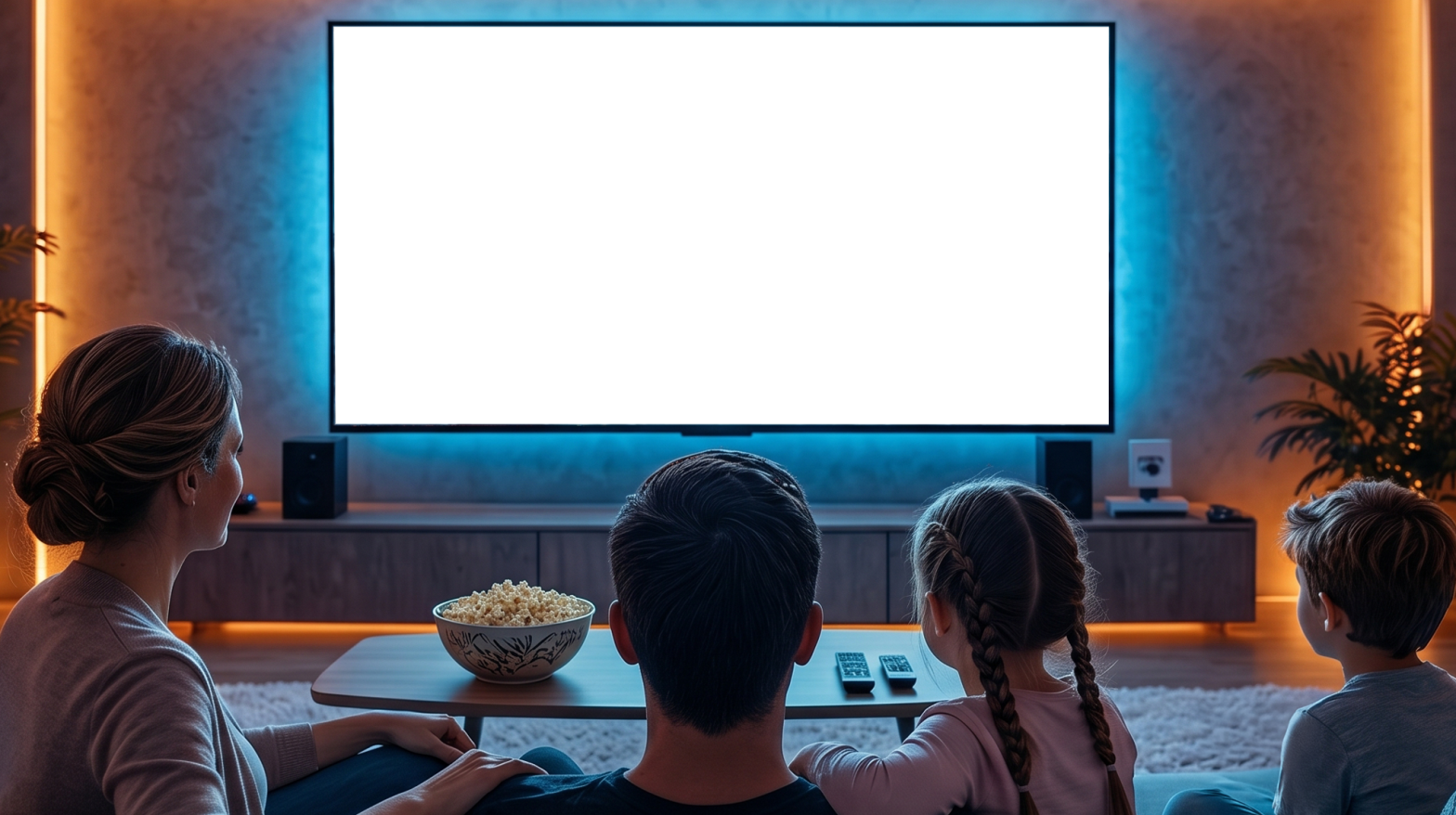
Some stays sell on a phone screen. A ski week, a suite, a once-a-year escape, do not. FlowCast turns the family TV into a private screening room. The agent narrates. The property reveals itself at theater scale, with cinematic transitions and ambient audio choreographed to her voice. The first audio-visual experience travel has ever earned.
We built FlowSense to restore something hotels lost when they got big: the memory of a great hotelier, scaled to every guest.
Boutique hotels used to know every guest by name. Then chains
scaled and the memory died. The next call started from zero,
the arrival was generic, the warmth was gone.
FlowSense restores it. It listens to every call, extracts what
actually matters, and hands the property a memory that lets the
team meet every guest like they've known them for years.
Most hotel AI is a wrapper around an LLM.
We built the parts nobody sells. A proprietary agent harness. A
custom realtime voice pipeline, our own, end to end, from the
moment audio leaves the guest's phone to the moment our reply
leaves the speaker. A long-term memory system. A prompt
architecture spanning eight specialized agents. A supervisor
that keeps every call alive when something downstream fails.
The supervisor runs on the BEAM, the runtime behind Erlang and
Elixir. BEAM was invented for telephone exchanges, then hardened
inside payment systems. We use it for what it was always meant to
do: never drop the call.
Speech, synthesis, frontier models, edge infra, we buy from the
best in the world and keep every piece swappable. The realtime
voice transport itself is ours, because nobody else's was tuned
for a thirty-minute hospitality call. Our edge is the brain on
top and the pipeline underneath.